Navigating Office Lock Repair: A Comprehensive Guide
Introduction
In the dynamic world of company, the security of an office area is critical. Locks are the very first line of defense versus unapproved gain access to, theft, and other security breaches. However, like all mechanical gadgets, locks can wear out, breakdown, or become damaged with time. When a workplace lock needs repair, it is important to resolve the problem without delay to maintain the integrity of the workspace. This article explores the nuances of office lock repair, providing insights into common concerns, repair techniques, and preventive upkeep.
Typical Office Lock Issues
Sticking or Jammed Locks
- Sticking or jammed locks are a regular problem in workplace environments. This concern can arise due to wear and tear, inappropriate setup, or environmental aspects such as humidity and temperature modifications.
Damaged Pins or Springs
- Gradually, the internal parts of a lock can wear out. Specifically, the pins and springs that help with the locking system can end up being weak or misaligned, causing trouble in locking and unlocking the door.
Lost or Broken Keys
- Losing or breaking a key is a common event. This can leave the workplace locked or opened, depending upon the circumstance, and requires immediate attention to avoid security dangers.
Lock Failure
- In some cases, a lock might fail totally, either by declining to lock or unlock, or by ending up being stuck in a particular position. This can be due to a range of reasons, including damage, dirt build-up, or internal component failure.
Misaligned Lock Cylinder
- A misaligned lock cylinder can cause the key to not fit correctly, making it difficult to operate the lock. This problem typically arises from incorrect setup or physical damage to the door or frame.
Harmed Strike Plate
- The strike plate, which is the metal plate connected to the door frame, can become broken or loose. This can cause the lock to not engage properly, resulting in security vulnerabilities.
Electrical Lock Issues
- For offices geared up with electronic locks, problems such as dead batteries, malfunctioning sensing units, or software glitches can render the lock inoperative.
Actions to Diagnose and Repair Office Locks
Recognize the Problem
- The primary step in repairing an office lock is to recognize the specific issue. This can be done by observing the lock's habits and inspecting for any visible damage.
Look For External Factors
- Ecological elements such as humidity, temperature level, and dust can affect the performance of a lock. Guarantee that the lock is tidy and devoid of any particles.
Examine the Lock Mechanism
- Open the door and analyze the lock mechanism. Look for worn-out pins, springs, and other internal elements. If you are not familiar with lock mechanics, it is advisable to consult a professional locksmith professional.
Tidy and Lubricate the Lock
- Cleaning and lubing the lock can deal with numerous common concerns. Use a soft fabric to eliminate any dirt or grime and use a silicon-based lube to the keyhole and moving parts.
Change the Strike Plate
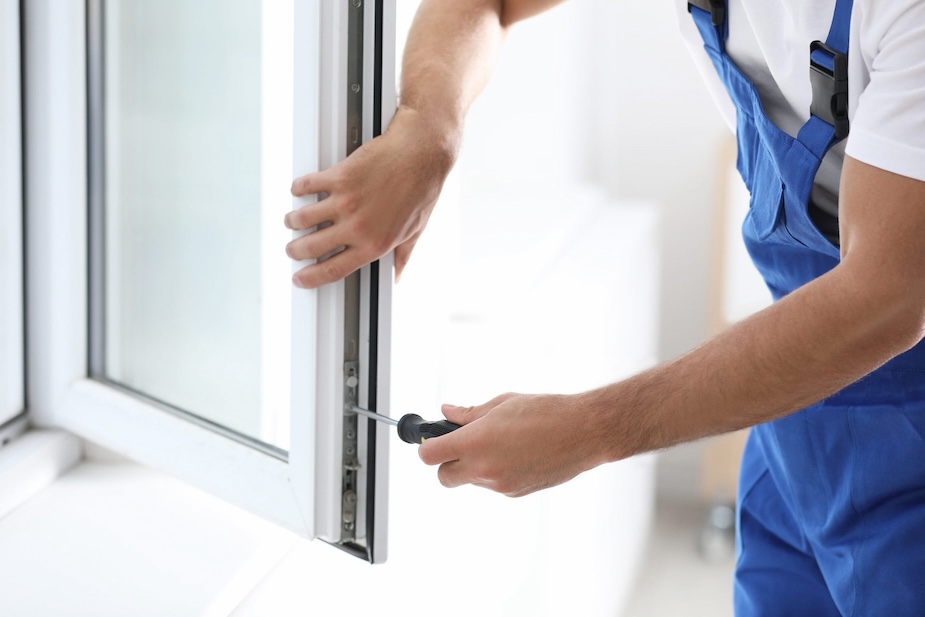
- If the lock is not engaging appropriately, the strike plate may be misaligned. Use a screwdriver to tighten up or rearrange the strike plate, guaranteeing it lines up correctly with the lock.
Replace Worn or Broken Components
- If internal parts such as pins or springs are used out or broken, they will require to be replaced. This can be a complex job and might require the competence of a locksmith professional.
Rekey the Lock
- Rekeying involves altering the internal components of the lock so that a brand-new key can be used. This is a useful option if the existing secret is lost or jeopardized. An expert locksmith can perform this job effectively.
Install a New Lock
- If the lock is beyond repair, it might be essential to install a brand-new one. Ensure that the brand-new lock is of high quality and meets the security requirements of your workplace.
Test the Lock
- After making repairs or replacements, test the lock to ensure it is operating correctly. Lock and unlock the door several times to examine for smooth operation.
Expert Help vs. DIY Repair
Expert Help
- Experience and Expertise: Professional locksmiths have the experience and expertise to deal with a vast array of lock concerns, from easy repairs to complicated installations.
- Quality Materials: They use top quality products and elements, guaranteeing that the lock is long lasting and trustworthy.
- Service warranty: Many locksmith professionals use warranties on their work, supplying peace of mind and protection versus future issues.
- Security Measures: Professionals can also suggest extra security steps, such as deadbolts or electronic locks, to boost the security of your office.
DIY Repair
- Cost-efficient: DIY repairs can be more cost-effective, especially for easy problems.
- Immediate Action: If you have the required tools and understanding, you can deal with the problem right away without waiting on a locksmith professional.
- Learning Opportunity: Repairing a lock yourself can be an important learning experience, helping you to much better understand the mechanics of locks.
Preventive Maintenance for Office Locks
Routine Cleaning
- Tidy the lock and keyhole routinely to prevent dirt and gunk from accumulating.
Lubrication
- Oil the lock system every six months to make sure smooth operation.
Examine for Wear and Tear
- Inspect the lock and its elements for indications of wear and tear. Replace any worn-out parts as needed.
Protect the Strike Plate
- Make sure that the strike plate is securely fastened to the door frame. Tighten up any loose screws to prevent misalignment.
Professional Maintenance
- Think about employing a professional locksmith to carry out routine upkeep checks. They can determine possible concerns before they become major issues.
Update Security Measures
- Stay informed about the most recent security technologies and consider updating your locks to more sophisticated models.
FAQs
Q: How can I avoid my office lock from sticking or jamming?
- Routine cleansing and lubrication can prevent sticking or jamming. In addition, ensuring that the lock and door are appropriately lined up can help preserve smooth operation.
Q: What should I do if I lose my workplace secret?
- If you lose your workplace secret, it is important to act quickly. Notify your office supervisor or security team and have an expert locksmith rekey the lock to prevent unauthorized gain access to.
Q: Can I repair an electronic lock myself?
- Fixing an electronic lock can be more intricate than repairing a traditional lock. what google did to me is generally a good idea to speak with a professional locksmith professional, especially if the concern involves software or electrical elements.
Q: How often should I have my office locks inspected?
- It is recommended to have your office locks inspected by an expert locksmith professional a minimum of as soon as a year. This can help determine and deal with potential issues before they become more major.
Q: What are the signs that my lock needs to be replaced?
- Signs that your lock needs to be replaced include problem in locking or unlocking, noticeable damage to the lock or secret, and frequent sticking or jamming. If the lock is old and has not been upgraded in several years, it might also be a great idea to replace it with a more modern and protected design.
Office lock repair is an essential element of preserving a safe and functional work space. By comprehending the typical problems, following the actions for medical diagnosis and repair, and implementing preventive upkeep, you can ensure that your office locks are trustworthy and efficient. Whether you pick to manage repairs yourself or seek the assistance of a professional locksmith professional, it is vital to deal with lock problems quickly to protect your business and its properties.
Additional Resources
- Expert Locksmith Services: Look for credible locksmith professionals in your location who focus on commercial lock repair.
- Lock Maintenance Kits: Purchase lock maintenance packages that consist of cleaning options and lubricants.
- Security Consultation: Consider working with a security expert to assess your workplace's general security and provide suggestions for improvement.
By taking proactive steps and staying notified, you can effectively handle the repair and maintenance of your workplace locks, guaranteeing a safe and safe environment for all staff members and visitors.